A sustainable garden is one that can be maintained over the long term by using resources responsibly, reducing its environmental impact, and adapting to the natural conditions of the site.
Sustainability in gardening, therefore, aims to create green spaces that combine aesthetics, biodiversity, water efficiency, and sensible maintenance.
This concept is directly related to the United Nations’ definition of sustainable development: meeting the needs of the present without compromising the ability of future generations to meet their own needs.
Designing a sustainable garden doesn’t mean sacrificing an attractive or lush space. On the contrary: a good selection of plant species and proper planning can result in resilient, balanced, and visually stunning gardens, especially in areas with dry summers or extreme temperatures.
Why Choose a Sustainable Garden?
Gardens and green spaces play an important role in improving the environment. Vegetation helps capture CO₂, produce oxygen, provide shade, lower soil temperature, and promote biodiversity.
In addition, a garden designed according to sustainable criteria can significantly reduce the use of water, fertilizers, pesticides, and energy.
The key is to work with the environment, rather than constantly trying to change its conditions.
To achieve this, it is essential to choose plants that are suited to the climate, soil type, sun exposure, and water availability of each plot.
Key Features of a Sustainable Garden
A sustainable garden should be able to remain in good condition year-round with reasonable resource consumption and minimal maintenance requirements.
These are some of the most important points we need to keep in mind.
Efficient Water Use
Water is one of the most important resources to consider when designing any garden, especially in areas with a Mediterranean climate.
To reduce water use, we can use efficient irrigation systems, such as drip irrigation, divide the garden into zones based on their water needs, and adapt the design to the natural topography of the land.
It is also particularly interesting to select xerophytic plants—or those with low water requirements—that can withstand prolonged periods of limited water availability.
Whenever the project’s characteristics allow, the use of rainwater can also be considered.
Plants Adapted to the Climate
The choice of plants largely determines the success of a sustainable garden.
Native species are usually particularly well adapted to the temperatures, rainfall, and soil conditions of the area, so they generally require less water and care.
Species from other regions may also be used, provided they have demonstrated good adaptation to local climatic conditions.
The goal should not be to use only native plants, but rather to select hardy species that are compatible with one another and suited to the actual conditions of the garden.
In Mediterranean regions, for example, there is a vast variety of shrubs, grasses, herbs, and perennials that can be used to create attractive gardens with very low water consumption.
Incorporating Aromatic and Edible Plants
A sustainable garden can also become a productive space.
Setting aside a small area for aromatic, culinary, and medicinal plants, fruit trees, or other edible species allows you to get even more out of your garden.
Rosemary, thyme, lavender, sage, and numerous Mediterranean species also combine practicality with high ornamental value.
Promoting Biodiversity
A garden isn’t just a collection of plants. It can also become a small ecosystem.
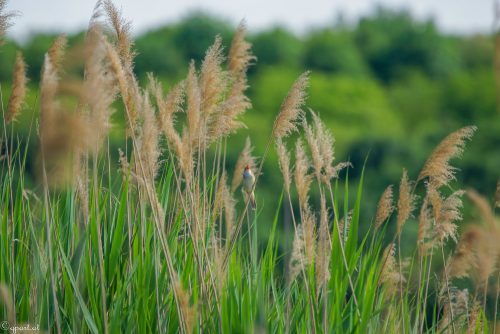
Combining different plant species helps attract bees, butterflies, birds, and other beneficial insects, creating a much more diverse environment.
To promote this biodiversity, it is a good idea to introduce plants with different flowering periods, so that food is available to pollinators for much of the year.
Creating different levels of vegetation, keeping some areas less managed, and avoiding unnecessary chemical treatments also helps increase the garden’s biodiversity.
Reducing the use of plant protection products
Another fundamental principle of sustainable gardening is to minimize the use of plant protection products as much as possible.
A garden with greater plant diversity usually has natural mechanisms that help maintain a certain balance between potential pests and their predators.
One particularly interesting strategy involves incorporating reservoir plants, which can provide food or shelter for beneficial auxiliary fauna.
In this way, insect populations can be established that are capable of contributing to the natural control of certain pests.
Prevention is also essential. A plant grown under the right conditions—in terms of soil, exposure, and watering—tends to grow more vigorously and have fewer health problems.
Aprovechamiento de los residuos vegetales
The philosophy of reduce, reuse, and recycle can also be perfectly applied to garden maintenance.
Pruning trimmings can be shredded and used as mulch or added to compost.
Padding also helps to:
- Retain soil moisture for longer
- Reduce the growth of weeds
- Protecting the roots from extreme temperatures
- Gradually improve the structure of the soil
- Reuse some of the plant waste generated in your own garden
It is also a good idea to choose plants with moderate growth rates, since they require less pruning and produce less plant waste.
Whenever possible, pruning waste should be reused or properly disposed of rather than burned.
Responsible Use of Energy
Some gardens require electricity to power irrigation systems, lighting, water pumps, or other equipment.
Whenever technically feasible, systems powered by renewable energy sources, such as small solar installations, may be used.
Lighting should also be designed efficiently, using only the necessary light sources and avoiding excessive nighttime lighting that could affect wildlife.
Integrating the Garden into the Landscape
A sustainable garden must be in harmony with its surroundings.
The vegetation, materials, and design should adapt to the characteristics of the landscape rather than create a space that is completely disconnected from it.
Whenever possible, it is advisable to make use of the resources available on the lot and incorporate natural, recycled, reusable, or locally sourced materials.
Local stone, certified wood, compost, aggregates, and organic amendments can be incorporated into the design while reducing the environmental footprint associated with transporting materials.
Less maintenance, more balance
One of the major benefits of a well-designed sustainable garden is that it reduces the amount of maintenance required.
Using plants that are suited to the climate reduces the need for watering, fertilization, pruning, and treatments.
This does not mean that the garden does not need care, but rather that the interventions are more rational and better adapted to the plants’ natural cycle.
The result is a garden that changes with the passing of the seasons and can retain its appeal for many years.
What plants are suitable for a sustainable garden?
There is no single choice that works for all gardens.
The choice will depend mainly on:
- The climate of the area
- High and low temperatures
- Sun Exposure
- The type of soil
- Water Quality and Availability
- Orientation
- Available space
- The landscape effect we want to achieve
In warm and Mediterranean climates, heat- and drought-tolerant plants, aromatic plants, ornamental grasses, Mediterranean shrubs, and numerous perennials and evergreens are of particular interest.
A good combination allows you to incorporate different textures, heights, colors, and flowering times without having to rely on species that require a lot of water.
Examples of Sustainable Gardens
Sustainable gardening can be applied to a wide variety of styles.
Among the most interesting are the Mediterranean gardens, designed with plant species that are perfectly adapted to dry summers and high temperatures.
Also noteworthy are dry gardens or low-water-use gardens, which combine xerophytic plants, gravel, rocks, and permeable surfaces.
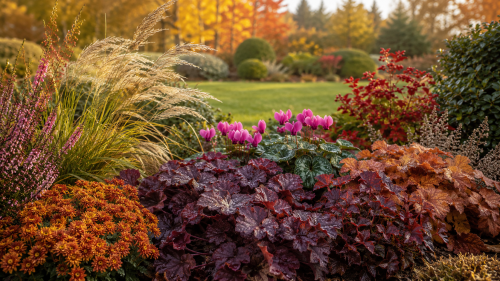
Another particularly interesting trend is New Perennial-inspired gardens, which feature naturalistic combinations of perennials and ornamental grasses that change with the seasons.
While they may all look very different, they share the same philosophy: to create attractive green spaces by working with nature, not against it.
Plants for Creating More Sustainable Gardens
At Adriza’s Plants, we offer a wide selection of hardy plants that are well-suited to challenging conditions and have low water requirements, making them particularly well-suited for sustainable landscaping projects.
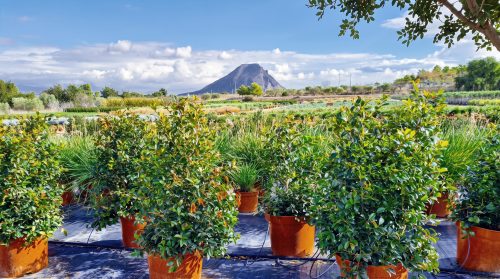
Our production system incorporates various measures designed to reduce our environmental impact, such as automated drip irrigation, the reuse of tertiary-treated water, the use of renewable energy, drainage control, the reuse of pruning waste, and the use of water-retaining plants.
We also use recyclable and reusable containers and strive to provide each plant with only the resources it needs during the growing process.
Because creating more sustainable gardens begins long before planting: it starts with choosing the right species and producing them responsibly.
You can explore our selection of garden plants and find species that are especially well-suited for creating hardy, balanced gardens that are adapted to today’s weather conditions.