Choosing an ornamental plant solely on the basis of its appearance can lead to growth problems, excessive water consumption or even the loss of the plant. To create a beautiful and long-lasting garden, it is essential to select species that are suited to the actual conditions of the space where they will be growing.
The amount of sunlight, the type of soil, drainage, temperatures, water requirements and the size the plant will reach when fully grown are some of the factors we need to consider before making a decision.
There is no such thing as a plant that is perfect for every garden. Instead, there is a suitable plant for every location.
In this guide, we explain the key points you should bear in mind when choosing ornamental plants for a garden, terrace or landscaping project.
Sun exposure: how many hours of sunlight does the plant receive?
Sun exposure is one of the first factors we need to consider.
Not all plants need the same amount of light. Whilst some species thrive best in full sun, others need protection from the hours when the sun is at its strongest.
Before choosing a plant, it is a good idea to take a look at the space at different times of the day.
Full-sun plants
These are the ones that require several hours of direct exposure to develop properly.
They are often particularly suitable for open gardens, south- or west-facing areas, and spaces with little shade from trees, buildings or other features.
Numerous Mediterranean plants, aromatic plants, grasses and xerophytic species are particularly well adapted to these conditions.
For example, species such as Perovskia atriplicifolia find particularly suitable conditions in sunny spots.
Part-shade plants
Partial shade can occur when an area receives a few hours of sunshine and remains sheltered for the rest of the day.
It can also be found beneath trees with sparse foliage, next to walls, or in spots where the sun only shines for a few hours a day.
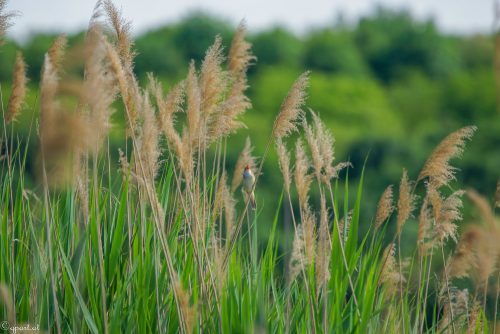
There are some very versatile species that can thrive in both full sun and partial shade. This is the case with certain ornamental grasses, which allow you to create interesting combinations of textures and movement.
Shade-loving plants
Inner courtyards, areas shaded by dense vegetation or certain north-facing spaces may receive very little direct sunlight.
In these places, we should look for species that are specifically adapted to shaded or semi-shaded conditions.
Plectranthus coleoides marginatus, for example, is a suitable choice for situations where we wish to avoid intense direct sunlight.
The type of soil also determines what we can plant
Two gardens located in the same town may have completely different conditions due to the characteristics of their soil.
Soil texture affects water retention, root aeration and the availability of nutrients.
The main types of flooring we can find are:
- Sandy
- Clayey
- Francs
- Limestone
- With varying levels of organic matter
Sandy soils tend to drain water quickly, whilst soils with a high clay content can retain it for longer.
For this reason, before undertaking a major planting project, it is advisable to have at least a basic understanding of the characteristics of the land.
Some species are very demanding, whilst others are highly adaptable to different types of soil.
The aim should not be to completely transform the site to suit a particular plant, but, wherever possible, to look for plants that are compatible with the existing conditions.
This strategy simplifies maintenance and helps to create more sustainable gardens.
Good drainage is essential
Directly linked to the type of soil is one of the most important factors in gardening: drainage.
Many plants cope better with a period of moderate drought than with prolonged waterlogging.
When water remains around the roots for too long, soil oxygenation is reduced and root problems may arise.
How can you tell if the land drains properly?
After heavy rain or watering, we can see how long it takes for the water to disappear.
If we find areas where water remains pooled for long periods, it will probably be necessary to improve drainage or choose plant species capable of withstanding such conditions.
When using pots and planters, we must also ensure that the containers have enough drainage holes.
Xerophytic plants, cacti, succulents and numerous Mediterranean species particularly require growing media from which excess water can drain away easily.
One example is Agave attenuata, which thrives in light, well-drained soil.
Minimum and maximum temperatures
A plant may thrive throughout spring and summer, yet be unable to withstand the low temperatures of winter.
For this reason, we must take the climate into account throughout the year, not just the conditions at the time of purchase.
Cold Hardiness
In areas where frosts occur, we must pay particular attention to the minimum temperature that each species can tolerate.
Some plants can withstand very low temperatures, whilst others may suffer damage even from light frosts.
The catalogue includes, for example, species such as Carex comans ‘Frosted Curls’, which is particularly hardy.
Heat resistance
In much of the Mediterranean region, we must also be concerned about the opposite extreme.
High temperatures, intense solar radiation and prolonged periods without rain can have a significant impact on certain species.
For gardens in these conditions, plants that are adapted to heat, drought and low water requirements are of particular interest.
In coastal areas, we must take another factor into account: wind and salinity.
How much water will the plant need?
The need for irrigation is another key factor from the point of view of both maintenance and sustainability.
Before designing a garden, it is highly recommended that you group plants according to their water requirements.
It doesn’t make much sense to plant a species that needs frequent watering alongside one that is adapted to almost dry conditions.
This system enables the creation of much more efficient irrigation sectors.
Plants with low water requirements
They are particularly suitable for Mediterranean gardens and projects where we wish to reduce water consumption.
Once properly established, certain herbs, shrubs, grasses and xerophytes can retain high ornamental value whilst requiring only moderate or minimal watering.
You can browse the Adriza’s Plants ornamental plant catalogue to compare species based on their requirements.
Reducing watering does not mean stopping watering altogether. Even drought-tolerant plants usually need an initial period to become established and may require occasional watering during the most demanding periods.
Think about the size of the mature plant
This is one of the most common mistakes made when designing a garden.
When we buy a plant from a nursery, we see its current size, but we have to imagine what it will look like in a few years’ time.
A small shrub can end up taking up a considerable amount of space, and one planted too close to a wall, a path or another plant may subsequently require constant pruning.
Before planting, we should have a rough idea of:
- Adult height
- Adult width
- Growth rate
- Type of carriage
- Recommended distance from other plants
We must also consider the role the species will play within the design.
We do not need the same dimensions to create a hedge as we do to cover a slope, form a border or plant a single specimen.
To create structure, we can use, for example, various ornamental shrubs, whilst grasses can be particularly effective for adding movement and a sense of lightness.
Don’t choose a plant based on just one factor
The correct choice becomes apparent when we combine all the above criteria.
Let’s imagine an area of the garden with:
- Plenty of sunshine
- Hot summers
- Light soil
- Good drainage
- Limited water supply
In this case, it would make sense to look for species that are resistant to the sun and drought.
But if we have a semi-shaded area, sheltered from the wind and with soil that retains moisture better, the possibilities will be different.
We may also encounter additional factors such as:
- Gardens by the sea
- Exposure to strong winds
- Growing in pots
- Limestone soils
- Frequent frosts
- Particularly confined spaces
The more factors we take into account before making a choice, the fewer maintenance problems we will have later on.
Use the filters and catalogue entries
Once you have identified the characteristics of the space, choosing plants becomes much easier.
Instead of browsing a catalogue with only colours or flowering times in mind, we can start by looking for the families and species that are suitable for our garden.
At Adriza’s Plants, you can browse categories such as:
- Grasses
- Shrubs
- Herbs
- Hedge plants
- Border plants
- Ground-cover plants
- Xerophytes, cacti, crassulaceans, and succulents
Next, check the information sheet for each plant and pay particular attention to the details regarding sunlight, humidity, soil requirements, cold hardiness and growth characteristics.
In this way, the catalogue becomes a tool for selecting plants based on technical criteria rather than purely aesthetic ones.
A well-designed garden starts with a good choice of plants.
When we provide each species with conditions that meet its needs, we end up with hardier plants and reduce problems relating to watering, growth, the cold or inadequate exposure to sunlight.
Before deciding what to plant, first consider how much sun you get, what the soil is like, how well it drains, what temperatures your area reaches, how much water you can provide, and how much space the plant will have once it reaches its full size.
From there, you can choose species which, as well as being to your taste, have a real chance of thriving.
At Adriza’s Plants, you can browse our selection of ornamental plants and check the characteristics of each species to find the varieties best suited to your garden or landscaping project.
Are you unsure which plant to choose? Take a look at our catalogue and find species suited to the conditions of your project.